
Stem Cell Therapy for Low Libido and Energy: What Patients Should Know
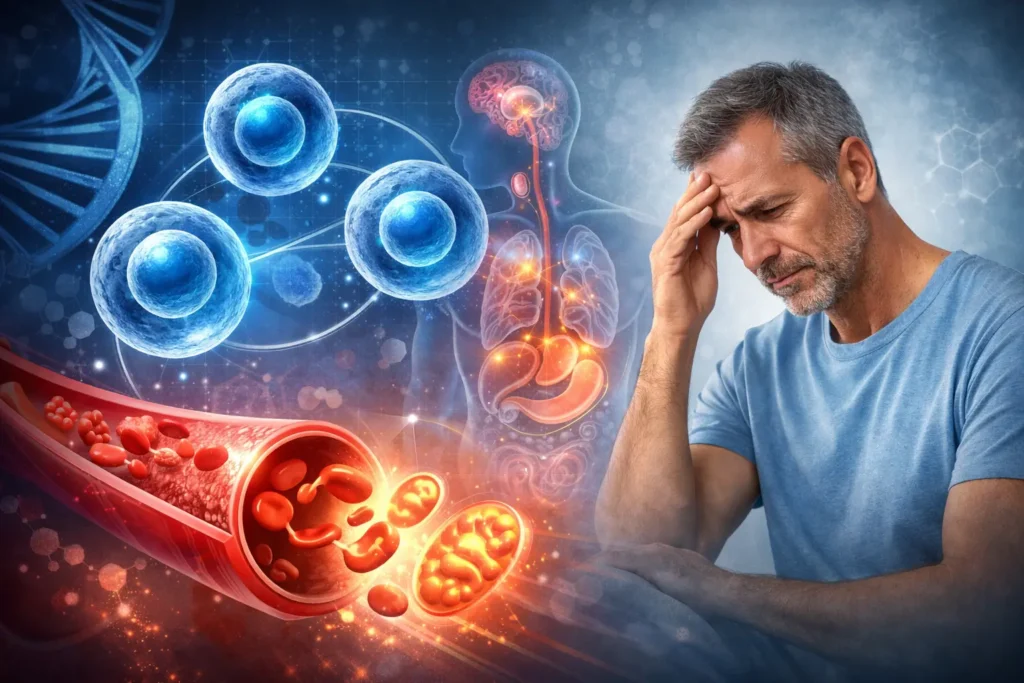
Stem cell therapy libido research is being studied for men experiencing low libido and reduced energy levels, symptoms that may develop gradually with age or as a result of underlying biological changes. Low libido and persistent fatigue can affect physical performance, motivation, mood, and overall quality of life.
Over time, factors such as hormonal fluctuations, chronic inflammation, metabolic stress, disrupted sleep patterns, and reduced cellular energy production may contribute to diminished sexual interest and daily energy levels. In many cases, these changes occur together and may not fully respond to lifestyle modification or conventional therapies alone.
For this reason, researchers currently study stem cell–based approaches as an investigational, non-surgical option within regenerative medicine. Ongoing research focuses on how stem cell–based therapies may support biological environments involved in hormonal signaling, inflammation regulation, vascular health, and cellular energy processes.
For a broader national overview, patients may also review our page on stem cell therapy in Mexico, which outlines regulatory context, safety considerations, and general evaluation processes.
What Is Stem Cell Therapy for Low Libido and Energy?
Researchers study stem cell therapy libido as part of regenerative medicine research focused on supporting the body’s natural biological processes related to hormonal signaling, cellular energy production, and vascular health. For this reason, some men with low libido and reduced energy explore stem cell–based approaches as an investigational, non-surgical option when conventional management—such as lifestyle modification, nutritional support, or hormone evaluation—has not adequately addressed symptoms.
In current research settings, medical providers discuss stem cell–based procedures for individuals experiencing low libido and fatigue associated with age-related hormonal changes, metabolic stress, chronic inflammation, or prolonged physical or psychological stress. In these cases, biological systems involved in energy regulation and sexual function may be affected, while surgical intervention is not indicated.
How Stem Cell Therapy Works for Low Libido and Energy
Current research examines how stem cell therapy libido approaches may support biological systems involved in sexual drive and energy regulation. At the same time, researchers study how cellular signaling may influence hormonal balance, inflammation, vascular function.
Rather than directly increasing hormone levels or stimulating immediate effects, researchers continue to study stem cell–based approaches for their potential role in supporting the body’s existing regulatory and repair mechanisms.
What the Procedure Involves:
General Steps in Stem Cell Therapy for Low Libido and Energy
- Initial Evaluation & Diagnostic Testing
A licensed medical provider reviews the patient’s medical history and evaluates contributing factors using tools such as hormone testing, metabolic assessment, symptom tracking, and lifestyle review. This step helps identify underlying causes and determine whether an investigational approach may be appropriate. - Stem Cell Sourcing
Medical providers obtain stem cells from ethically sourced tissue, such as bone marrow or umbilical cord–derived sources, following established medical and safety protocols in a controlled clinical environment. - Processing & Preparation
Laboratory professionals process the collected tissue to concentrate stem cells and prepare them for administration in accordance with clinical standards and quality controls. - Systemic Administration
In some clinical protocols, stem cells may be administered via intravenous (IV) infusion, allowing systemic circulation and interaction with biological pathways involved in energy regulation and hormonal signaling. - Post-Procedure Monitoring & Follow-Up
After treatment, medical staff monitor the patient and provide follow-up guidance. Ongoing evaluation may include symptom tracking and periodic reassessment over time.
In general, stem cell–based procedures for low libido and energy involve sourcing stem cells from ethically obtained tissue, processing them in a controlled laboratory setting, and administering them systemically to support biological signaling related to vitality and metabolic balance.
In some cases, low libido and fatigue may coexist with metabolic, cardiovascular, or neurological conditions. Because of this, patients may undergo broader medical evaluations as part of an individualized care review.
At the same time, it is important to consider the following information.
Important Information
Research into stem cell therapy libido is ongoing. Current studies continue to examine how stem cell–based approaches may:
- Support cellular signaling involved in hormonal regulation and energy balance
- Interact with inflammatory and immune pathways associated with fatigue and reduced libido
- Influence biological environments affected by metabolic stress, vascular changes, and cellular aging
Low Libido and Energy Conditions Studied in Stem Cell Research
Patients who inquire about stem cell therapy libido often experience reduced sexual desire and persistent fatigue related to hormonal, metabolic, vascular, or inflammatory factors. In regenerative medicine research, several conditions associated with low libido and low energy are commonly discussed. Each condition is different, and eligibility depends on individual medical factors and overall health status.
Age-Related Hormonal Decline
Gradual changes in testosterone, DHEA, and other regulatory hormones may contribute to reduced libido and energy over time. In these cases, researchers study regenerative approaches as investigational options to support biological signaling involved in hormonal balance.
Metabolic and Inflammatory Conditions
Chronic inflammation, insulin resistance, and metabolic stress may affect energy production and sexual health. Stem cell–based approaches are being studied for their potential role in interacting with inflammatory pathways associated with fatigue and reduced vitality.
Stress-Related Fatigue and Burnout
Prolonged physical or psychological stress may disrupt hormonal regulation and energy balance. Regenerative medicine research explores stem cell–based approaches in select cases where stress-related physiological changes contribute to low libido and fatigue.
Vascular-Related Factors
Vascular health plays an important role in sexual function and overall energy levels. In some cases, reduced libido may occur alongside erectile difficulties. Patients may also explore investigational options discussed in ED Stem Cell Therapy as part of a broader regenerative medicine conversation.
Neurological and Systemic Factors
Neurological conditions or systemic illness may influence energy levels, mood, and sexual interest. In these cases, patients may also explore investigational approaches discussed in Stem Cell Therapy for Neuropathy as part of a broader regenerative medicine discussion.
Who May Be a Candidate for Stem Cell Therapy?
Stem cell therapy for low libido and low energy is not appropriate for everyone. A medical evaluation is required to determine whether this investigational approach may be suitable based on hormonal status, metabolic health, lifestyle factors, and overall health.
A patient may be considered for evaluation if they:
- Experience persistent low libido and reduced energy levels
- Have symptoms associated with age-related hormonal changes or metabolic stress
- Have fatigue or reduced motivation that has not improved with standard management
- Are not experiencing acute or uncontrolled medical conditions
- Are seeking non-surgical, investigational options
- Understand the investigational nature of stem cell–based therapies
Risks and Limitations to Consider
While researchers continue to study stem cell therapy for low libido and energy, it is important to understand its current limitations and potential risks. Because individual responses vary, outcomes and timelines cannot be guaranteed.
Low libido and reduced energy often involve complex, multi-system factors—including hormonal regulation, metabolic health, inflammation, and lifestyle influences—which may limit how the body responds to investigational regenerative approaches.
-
Lack of standardized protocols:
Treatment approaches may vary between providers, as standardized clinical protocols for stem cell–based procedures related to libido and energy are still under development.
-
Variation based on underlying factors:
Response may differ depending on age, hormonal status, metabolic health, vascular function, stress levels, and overall health.
-
Uncertain and variable timelines:
Some individuals may not experience noticeable changes. When changes occur, timelines—if any—can range from weeks to months.
-
Possible risks and side effects:
As with any medical procedure, potential risks may include infection, inflammatory response, infusion-related discomfort, or lack of symptom improvement.
Why Patients Consider Stem Cell Therapy in Mexico
Some patients explore stem cell therapy libido options outside the United States due to differences in regulatory frameworks, access to investigational regenerative medicine therapies, and cost considerations. In certain cases, international clinics offer structured protocols that are not widely available domestically.
For individuals experiencing low libido and reduced energy, access to investigational regenerative approaches, comprehensive medical evaluation, and coordinated care may influence this decision—particularly when conventional options have not adequately addressed symptoms.
When considering care abroad, patients should prioritize education, medical screening, transparency, and provider experience as part of informed decision-making.
Rejuvacell Medical Group works with international patients while emphasizing:
- Patient education
- Medical screening
- Safety protocols
Medical Oversight & Experience
Licensed medical professionals evaluate stem cell–based procedures for low libido and reduced energy within a structured clinical framework to support patient safety and appropriate medical decision-making.
All procedures are:
- Reviewed by licensed medical professionals
- Conducted under established clinical protocols
- Evaluated on a case-by-case basis
Frequently Asked Questions
Is stem cell therapy libido FDA approved?
Stem cell therapy for low libido and reduced energy is not currently FDA approved as a standard treatment. Research into stem cell–based approaches for libido and energy regulation is ongoing, and these procedures are considered investigational. Patients are encouraged to understand how stem cell therapies are regulated before pursuing care.
How is stem cell therapy for low libido and energy administered?
In clinical and research settings, stem cell–based procedures for low libido and energy are typically administered through intravenous (IV) infusion. This method allows stem cells to circulate systemically and interact with biological pathways related to hormonal signaling, inflammation, and energy regulation.
Can stem cell therapy replace hormone therapy or supplements?
No. Stem cell therapy is not intended to replace hormone therapy, supplements, or other standard medical treatments. It is studied as a complementary, investigational approach and should only be considered alongside appropriate medical evaluation and management.
How long does it take to notice changes after treatment?
Individual responses vary. Some individuals may notice changes within weeks, while others may not experience noticeable effects. When changes occur, timelines—if any—can range from weeks to months, and no outcome can be guaranteed.
Is a medical evaluation required before treatment?
Yes. A medical evaluation is required before considering stem cell therapy for low libido and energy. This review helps assess hormonal status, metabolic health, lifestyle factors, and overall health to determine whether an investigational regenerative approach may be appropriate.
What the Patient Journey Typically Looks Like
Typically, patients begin with an initial consultation and medical screening to review symptoms, medical history, and relevant laboratory testing. During this process, a medical provider evaluates factors such as hormonal balance, metabolic health, lifestyle influences, and overall well-being.
If eligibility is determined, a personalized investigational approach may be discussed based on individual clinical findings and regenerative medicine research protocols. Follow-up monitoring may include symptom tracking, laboratory reassessment, and periodic check-ins over time.
Patient education and informed consent remain central throughout the process.
If eligibility is determined, a personalized treatment approach may be discussed based on individual needs, clinical findings, and investigational protocols.
Request a Low Libido and Energy Consultation
If you are experiencing low libido and reduced energy and would like to learn more about stem cell therapy libido research, you may request a confidential consultation with a medical coordinator.
This discussion is designed to:
-
Review your medical history
-
Discuss symptoms related to low libido and energy
-
Explain investigational regenerative options
-
Answer questions about eligibility and next steps
- No obligation
- Patient-focused discussion
- Medical review required