
Stem Cell Therapy for Cirrhosis: What Patients Should Know
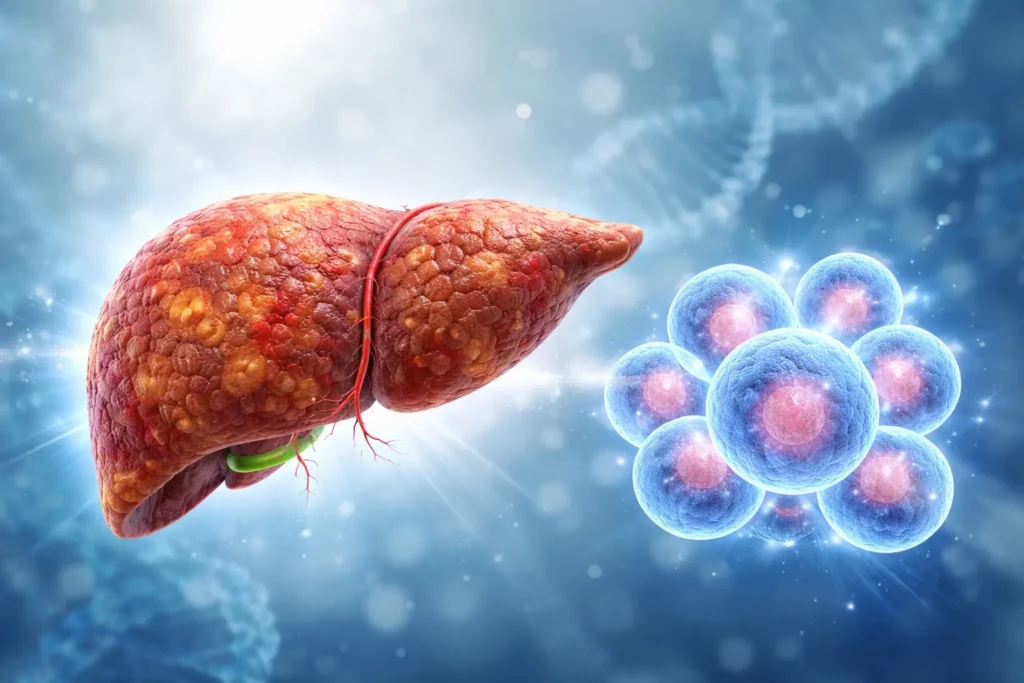
Cirrhosis is a progressive liver condition that results from long-term damage and scarring, limiting the liver’s ability to perform essential functions such as detoxification, metabolism, and protein production. As liver function declines, patients may experience fatigue, fluid retention, cognitive changes, and an increased risk of serious complications.
Researchers are studying cirrhosis stem cell therapy as an investigational, non-surgical approach within regenerative medicine. This research focuses on how stem cell–based therapies may support liver tissue environments affected by chronic inflammation, fibrosis, and cellular dysfunction.
What Is Stem Cell Therapy for Cirrhosis?
Researchers study cirrhosis stem cell therapy as part of regenerative medicine research focused on supporting the body’s natural biological repair processes. For this reason, some patients with cirrhosis explore stem cell–based approaches as an investigational, non-surgical option when conventional management—such as medications, lifestyle changes, or symptom control—has not sufficiently slowed disease progression.
In current research settings, providers discuss stem cell–based procedures for individuals with compensated or early decompensated cirrhosis, where liver damage, inflammation, and fibrosis may still be present but transplantation is not yet required.
How Stem Cell Therapy Works for Cirrhosis
Current research examines how cirrhosis stem cell therapy may support liver tissue affected by chronic disease. At the same time, researchers study how biological signaling may influence inflammation, fibrosis, vascular function, and cellular stress within the hepatic environment.
Rather than directly replacing damaged liver tissue, stem cell–based approaches are being studied for their potential role in modulating immune responses and supporting the liver’s existing repair mechanisms.
What the Procedure Involves:
General Steps in Stem Cell Therapy for Cirrhosis
- Initial Evaluation & Diagnostic Testing
A licensed provider reviews the patient’s medical history and evaluates liver function using laboratory testing such as ALT, AST, bilirubin, INR, albumin, and imaging studies when appropriate. This step helps assess cirrhosis stage, disease stability, and contributing factors. - Stem Cell Sourcing
Medical providers obtain stem cells from ethically sourced tissue, such as bone marrow or umbilical cord–derived sources, following established medical and safety protocols in a controlled clinical environment. - Processing & Preparation
Laboratory professionals process the collected tissue to concentrate stem cells and prepare them for administration in accordance with clinical standards. - Intravenous Administration
Stem cells are typically administered via intravenous (IV) infusion, allowing systemic circulation and interaction with inflammatory and immune pathways involved in chronic liver disease. - Post-Procedure Monitoring & Follow-Up
After treatment, medical staff monitor the patient and provide follow-up guidance. Ongoing evaluation may include repeat liver function tests and symptom tracking over time.
In general, stem cell–based procedures for cirrhosis involve sourcing stem cells from ethically obtained tissue, processing them in a controlled laboratory setting, and administering them systemically to support biological signaling related to liver health.
In some cases, cirrhosis may coexist with metabolic, autoimmune, or viral liver conditions. Because of this, patients may also undergo broader medical evaluations as part of an individualized care review.
At the same time, it is important to consider the following information.
Important Information
Research into cirrhosis stem cell therapy is ongoing. Current studies continue to examine how stem cell–based approaches may:
- Support cellular signaling involved in liver repair processes
- Interact with inflammatory and immune pathways associated with chronic liver disease
- Influence tissue environments affected by fibrosis and vascular changes
Cirrhosis Conditions Studied in Stem Cell Research
Patients who inquire about cirrhosis stem cell therapy often have liver function decline related to chronic disease, inflammation, or long-term tissue damage. In regenerative medicine research, several cirrhosis-related conditions are commonly discussed. Each condition is different, and eligibility depends on individual medical factors and disease stage.
Compensated Cirrhosis
Patients with compensated cirrhosis may have significant liver scarring but relatively preserved liver function. In these cases, researchers continue to study regenerative approaches as potential investigational options to support liver tissue environments and slow disease progression.
Early Decompensated Cirrhosis
Some individuals with early decompensated cirrhosis experience symptoms such as fluid retention or fatigue while still maintaining partial liver function. Regenerative medicine research explores stem cell–based approaches in carefully selected patients as part of broader disease management evaluations.
Metabolic-Associated Fatty Liver Disease (MAFLD / NASH)
Cirrhosis related to fatty liver disease is increasingly common. In these cases, research examines how stem cell–based therapies may interact with inflammatory, metabolic, and fibrotic pathways associated with liver damage.
Viral Hepatitis–Related Cirrhosis
Chronic hepatitis B or C infection can lead to progressive liver scarring. Researchers continue to study regenerative approaches in patients with virus-related cirrhosis who have achieved viral control.
Autoimmune-Related Cirrhosis
Certain autoimmune liver diseases, such as autoimmune hepatitis or primary biliary cholangitis, may result in cirrhosis. Stem cell–based approaches are being studied in select cases where immune dysregulation contributes to ongoing liver injury.
Who May Be a Candidate for Stem Cell Therapy?
Stem cell therapy for cirrhosis is not appropriate for everyone. A medical evaluation is required to determine whether this investigational approach may be suitable based on liver function, disease stage, underlying cause, and overall health status.
A patient may be considered for evaluation if they:
- Have compensated or early decompensated cirrhosis
- Are not in acute liver failure
- Experience progressive symptoms despite standard medical management
- Have cirrhosis related to conditions such as fatty liver disease, viral hepatitis, or autoimmune liver disorders
- Are seeking non-surgical, investigational options
- Understand the investigational nature of stem cell–based therapies
Risks and Limitations to Consider
While researchers continue to study cirrhosis stem cell therapy, it is important to understand its current limitations and potential risks. Because individual responses vary, outcomes and timelines cannot be guaranteed.
Cirrhosis often involves advanced tissue scarring and systemic complications, which may limit how the liver responds to investigational regenerative approaches.
-
Lack of standardized protocols:
Treatment approaches may vary between providers, as standardized clinical protocols for stem cell–based procedures in cirrhosis are still under development.
-
Variation based on disease stage and cause:
Response may differ depending on factors such as cirrhosis severity, underlying cause (e.g., alcohol-related disease, viral hepatitis, fatty liver disease), degree of fibrosis, and overall health status.
-
Uncertain and variable timelines:
Some patients may not experience noticeable changes. When changes do occur, timelines—if any—can range from weeks to months.
-
Possible risks and side effects:
As with any medical procedure, potential risks may include infection, inflammatory response, infusion-related discomfort, or lack of symptom improvement.
Why Patients Consider Stem Cell Therapy in Mexico
Some patients explore cirrhosis stem cell therapy options outside the United States due to differences in regulatory frameworks, access to investigational regenerative medicine therapies, and cost considerations. In certain cases, international clinics offer structured protocols that are not widely available domestically.
For individuals with cirrhosis, access to investigational regenerative approaches, specialized evaluation, and coordinated care may influence this decision.
When considering care abroad, patients should prioritize education, medical screening, transparency, and provider experience as part of informed decision-making.
Rejuvacell Medical Group works with international patients while emphasizing:
- Patient education
- Medical screening
- Safety protocols
Medical Oversight & Experience
Licensed medical professionals evaluate stem cell–based procedures for cirrhosis within a structured clinical framework to support patient safety and appropriate medical decision-making.
All procedures are:
- Reviewed by licensed medical professionals
- Conducted under established clinical protocols
- Evaluated on a case-by-case basis
Frequently Asked Questions
Is cirrhosis stem cell therapy FDA approved?
Stem cell therapy for cirrhosis is not currently FDA approved as a standard treatment. It is considered an investigational approach within regenerative medicine research. Regulatory status may vary depending on how stem cells are processed and administered.
How is cirrhosis stem cell therapy administered?
In most investigational protocols, stem cell therapy for cirrhosis is administered through intravenous (IV) infusion, allowing stem cells to circulate systemically and interact with inflammatory and immune pathways associated with chronic liver disease.
Can cirrhosis stem cell therapy replace a liver transplant?
No. Stem cell therapy is not a replacement for liver transplantation. Researchers study this approach to explore whether it may help support liver function or slow disease progression in selected patients.
How long does it take to notice changes after treatment?
Response timelines vary. Some patients may not experience noticeable changes. When changes occur, they may develop gradually over weeks to months, depending on disease stage, liver function, and individual clinical factors.
Is a medical evaluation required before treatment?
Yes. A medical evaluation is required to review liver function, medical history, laboratory results, and overall health. This evaluation helps determine whether cirrhosis stem cell therapy may be appropriate as an investigational option.
What the Patient Journey Typically Looks Like
Typically, patients begin with an initial consultation and medical screening to review symptoms, medical history, and available liver function testing. During this process, a medical provider evaluates cirrhosis stage, underlying causes, prior treatments, and overall health status.
If eligibility is determined, a personalized investigational approach may be discussed based on individual clinical findings and regenerative medicine research protocols. Follow-up monitoring may include repeat laboratory testing and symptom assessment over time.
Patient education and informed consent remain central throughout the process.
If eligibility is determined, a personalized treatment approach may be discussed based on individual needs, clinical findings, and investigational protocols.
Request a Cirrhosis Consultation
If you have cirrhosis and would like to learn more about cirrhosis stem cell therapy, you may request a confidential consultation with a medical coordinator.
This discussion is designed to:
-
Review your medical history
-
Discuss current liver function and cirrhosis stage
-
Explain investigational regenerative options
-
Answer questions about eligibility and next steps
- No obligation
- Patient-focused discussion
- Medical review required